
The Mandela Leadership Playbook
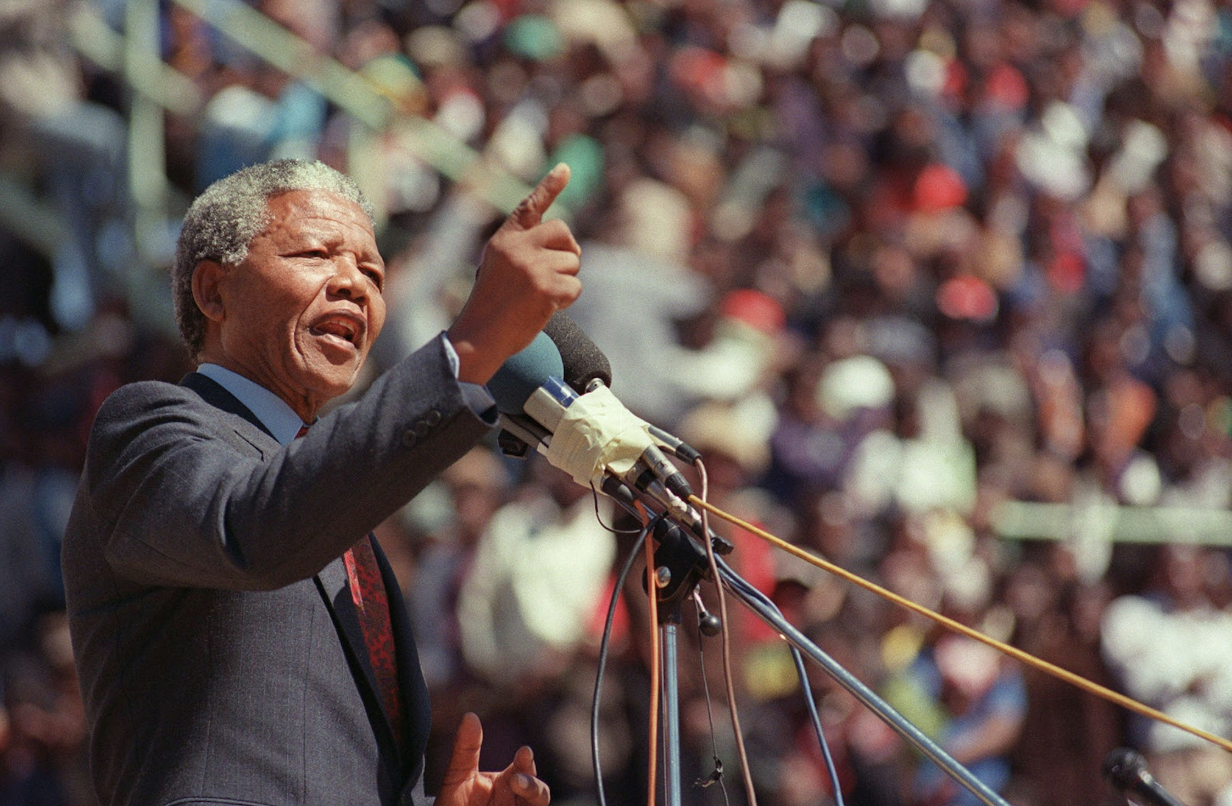
Nelson Mandela's leadership was remarkable because he combined moral conviction with strategic pragmatism. After spending 27 years in prison, he emerged without seeking revenge. Instead, he focused on uniting a deeply divided nation.
Here are six leadership principles that defined his approach:
1. Lead with Purpose, Not Ego
Mandela never lost sight of his mission: creating a democratic, multiracial South Africa. Personal recognition was secondary to achieving lasting change.
Leadership lesson: Keep the mission larger than yourself.
2. Forgiveness Is a Strategic Advantage
Rather than punishing former adversaries after apartheid ended, Mandela created opportunities for reconciliation, including supporting the Truth and Reconciliation Commission.
Leadership lesson: Great leaders know that winning the future is more valuable than settling the past.
3. Listen Before You Lead
Mandela believed leadership started with listening. He spent time understanding opposing viewpoints and often allowed others to feel a sense of ownership over decisions.
As he wrote in Long Walk to Freedom, leadership often means guiding from behind while ensuring everyone believes they are moving forward together.
Leadership lesson: Influence grows when people feel heard.
4. Symbolism Matters
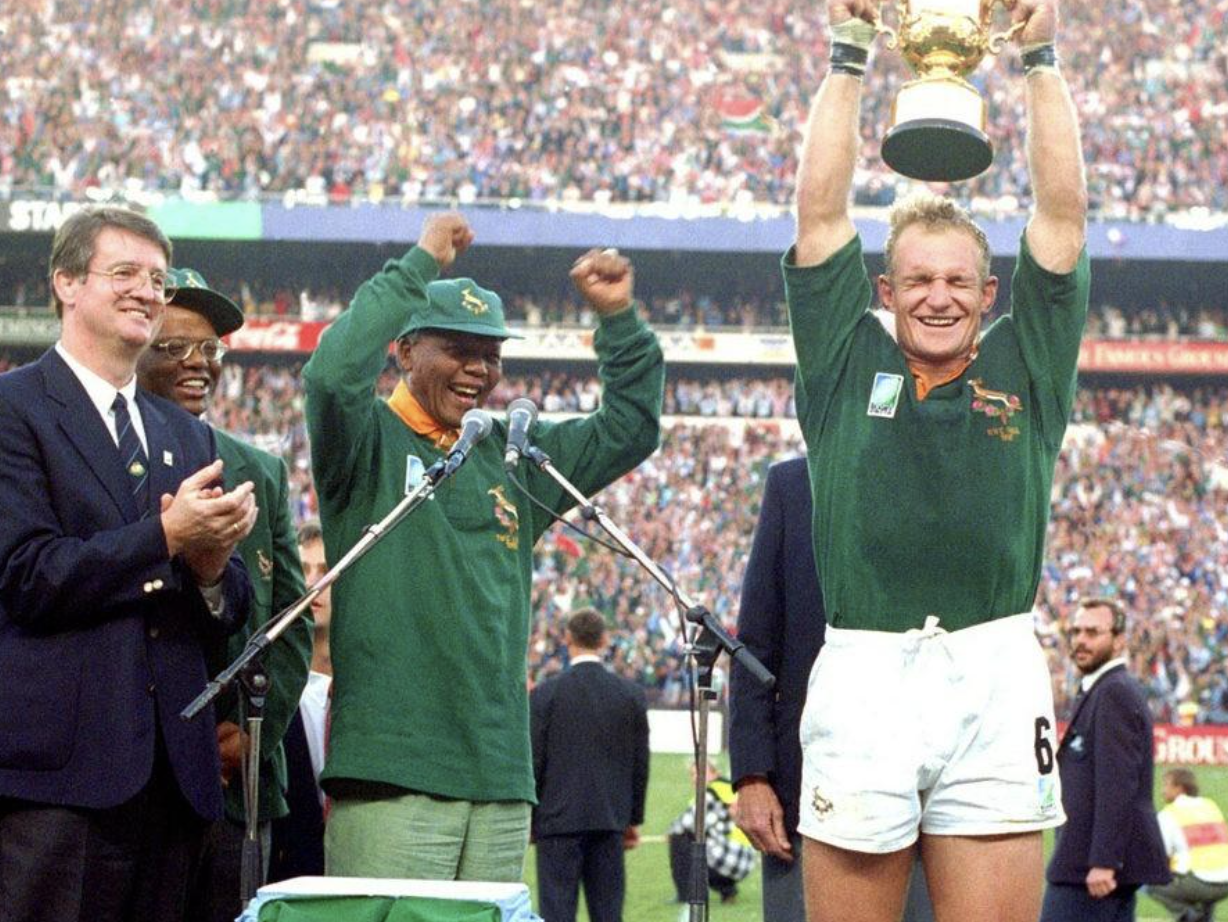
One of Mandela's greatest leadership moments came during the 1995 Rugby World Cup. By wearing the green Springbok jersey, a symbol many Black South Africans associated with apartheid, he transformed it into a symbol of national unity.
That single act helped unite millions behind a common identity.
Leadership lesson: Leaders shape culture through visible actions, not just speeches.
5. Courage Is Moving Forward Despite Fear
Mandela famously said:
"I learned that courage was not the absence of fear, but the triumph over it."
He acknowledged fear but refused to let it dictate his decisions.
Leadership lesson: Courage isn't fearlessness—it's choosing purpose over fear.
6. Know When to Step Aside
After one presidential term, Mandela voluntarily left office, strengthening South Africa's democracy by showing that institutions matter more than individuals.
Leadership lesson: The best leaders build organizations that thrive without them.
A Leadership Lesson for Today's Executives
Whether you're leading a company through transformation or a team through uncertainty, Mandela's example offers a timeless principle:
People will follow a leader who gives them hope, treats them with dignity, and demonstrates through actions—not words—the future they are asking others to believe in.
He proved that leadership is not measured by the power you accumulate, but by the trust you earn and the unity you create.
