
Credit: The Collector
Oswald the Lucky Rabbit
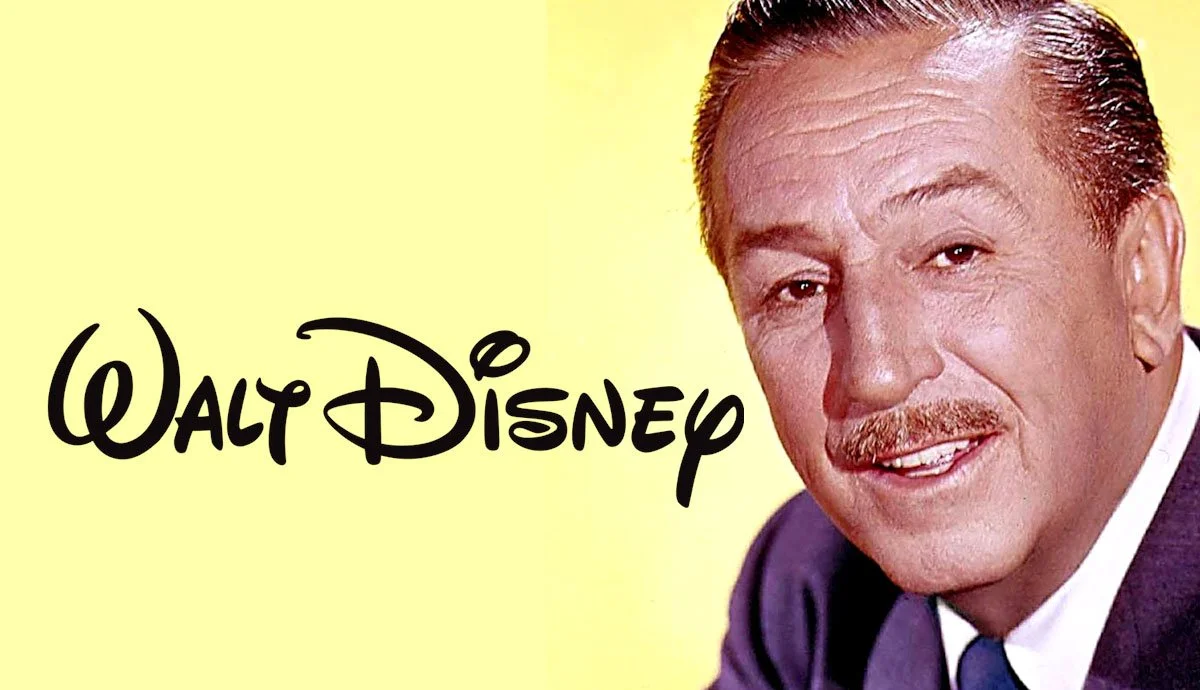
Before Walt Disney built one of the world's most recognizable companies, he experienced plenty of failure. His early animation ventures in Kansas City failed. He moved to Hollywood and started again. Then came another major setback.
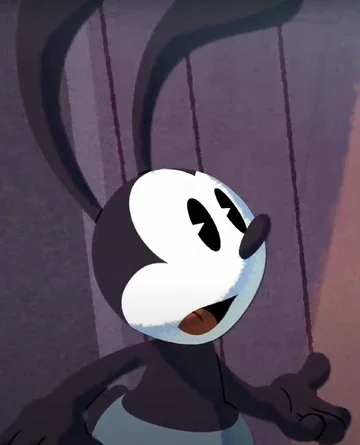
Disney created Oswald the Lucky Rabbit, one of his first breakout characters. But in 1928, while negotiating a new contract, he discovered that he didn't own the rights to Oswald, and that many of his artists had been recruited away.
He could have viewed it as the end. Instead, he created something new. Mickey Mouse.
That pattern would repeat throughout his career.
Snow White and the Seven Dwarfs required Disney to take enormous financial risk. Disneyland consumed significant capital and required Walt to put his own resources on the line. Both became transformative successes.
That's the leadership lesson.
Great leaders distinguish between the vision and the plan. Protecting your vision keeps you focused on your ultimate purpose and inspires perseverance through challenges.
When a plan fails, they don't automatically abandon the destination. They learn. They adapt. They find another route. This resilience can inspire leaders to see setbacks as opportunities for growth.
For leaders today, that means:
Protect the vision. Know what you're ultimately trying to accomplish.
Challenge the plan. Strategy isn't sacred. If the approach isn't working, change it.
Turn setbacks into information. Failure can tell you what the next version needs to do differently.
Keep building. Resilience isn't simply enduring disappointment. It's converting disappointment into the next idea.
Walt Disney lost Oswald. He created Mickey. Sometimes what doesn't work becomes the reason you discover what does.
The plan can fail. The vision doesn't have to.
